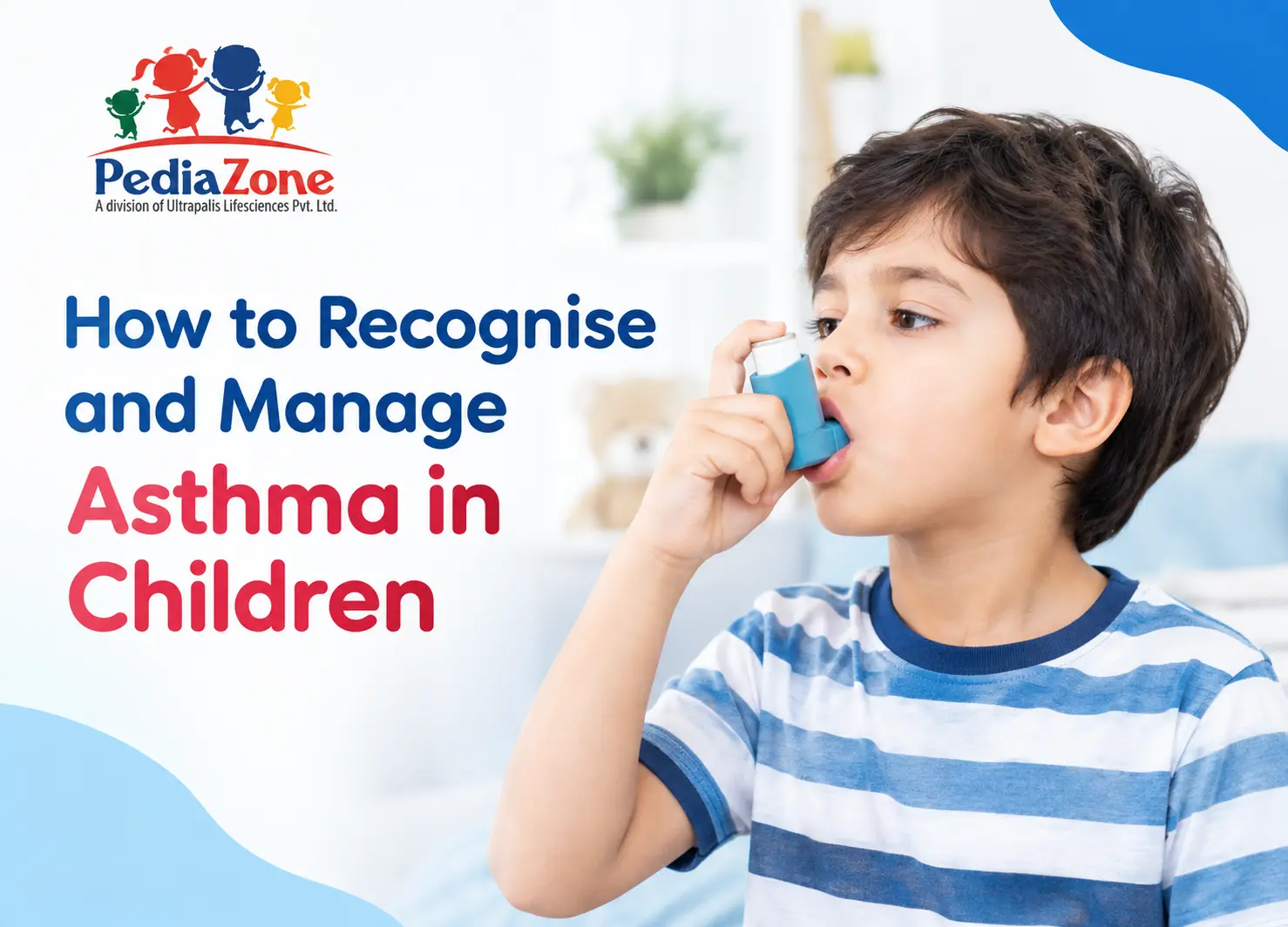
How to Recognise and Manage Asthma in Children?
Asthma can affect children in different ways, and its symptoms may sometimes be mistaken for a common cold or cough. Knowing the signs, understanding common triggers, and following the right care plan can help parents support children with asthma.
Children can experience coughs, colds, and breathing problems from time to time. However, when breathing symptoms keep returning or become worse during certain situations, asthma may be one possible cause. Childhood asthma is a long-term condition that affects the airways and can make breathing difficult.
Asthma does not affect every child in the same way. Some children may have occasional symptoms, while others may experience symptoms more often. These symptoms can also change as children grow. With proper medical care and good management, many children with asthma can take part in school, play, sports, and other everyday activities.
For parents, recognising the early signs is an important first step. Understanding what may trigger symptoms and knowing how to follow a child’s treatment plan can also help reduce the impact of asthma on daily life.
In this article, we’ll discuss the common signs of childhood asthma, possible triggers, how it is diagnosed, and practical ways parents can help manage the condition.
What Is Childhood Asthma?
Asthma is a condition in which the airways become inflamed and more sensitive. During an asthma episode, the airways may become narrower, making it harder for air to move in and out of the lungs.
Children with asthma may experience symptoms such as:
- Coughing, especially at night or early in the morning.
- Wheezing or a whistling sound while breathing.
- Shortness of breath.
- A feeling of tightness in the chest.
- Difficulty keeping up with physical activities because of breathing symptoms.
Symptoms may come and go. Some children may notice them more during exercise, when they have a respiratory infection, or after exposure to certain triggers.
Common Signs Parents Should Watch For
A persistent or recurring cough is one of the symptoms parents may notice first. A child may cough repeatedly at night, during exercise, or when exposed to cold air.
Other signs may include:
- Frequent wheezing.
- Breathing faster than usual.
- Getting tired easily during physical activity.
- Pausing often while playing because of breathing difficulty.
- Complaining of chest tightness.
- Symptoms that become worse during colds.
Not every cough or wheeze means a child has asthma. Several other conditions can cause similar symptoms, which is why a healthcare professional should assess recurring breathing problems.
What Can Trigger Asthma Symptoms?
Asthma triggers can vary from one child to another. Identifying individual triggers can help parents reduce exposure and manage symptoms more effectively.
Common triggers may include:
- Dust and dust mites.
- Smoke from cigarettes or other sources.
- Air pollution.
- Pollen and other allergens.
- Strong smells or fragrances.
- Cold air.
- Physical activity in some children.
- Respiratory infections such as colds and flu.
Keeping a record of when symptoms occur can help parents and healthcare professionals identify possible patterns and triggers.
How Is Asthma Diagnosed in Children?
If a child has repeated breathing problems, a healthcare professional may ask about the symptoms, their frequency, possible triggers, and family history. The child’s medical history and breathing pattern may also be reviewed.
Depending on the child’s age and symptoms, the doctor may recommend breathing tests or other assessments to better understand how the lungs are working.
Parents should avoid trying to diagnose asthma based only on symptoms found online. Similar symptoms can occur with other childhood conditions, so proper medical evaluation is important.
How Is Childhood Asthma Managed?
Asthma management depends on the child’s symptoms and individual needs. A healthcare professional may recommend medicines that help control airway inflammation or provide quick relief during symptoms.
Parents should:
- Follow the treatment plan given by the child’s healthcare professional.
- Give medicines exactly as directed.
- Understand how and when prescribed inhalers or other devices should be used.
- Keep track of symptoms and possible triggers.
- Attend recommended follow-up appointments.
- Make sure caregivers and teachers know what to do if the child develops breathing symptoms.
Parents should not stop or change prescribed asthma medicines without discussing it with the child’s healthcare professional.
Helping Children Avoid Asthma Triggers
Reducing exposure to known triggers can help some children manage their symptoms.
Parents can:
- Keep the child’s surroundings as free from dust as practical.
- Keep children away from cigarette smoke.
- Reduce exposure to strong perfumes, sprays, and other irritating smells.
- Follow local air-quality advice when pollution levels are high.
- Help children follow their prescribed plan during physical activity if exercise triggers symptoms.
- Encourage regular handwashing to reduce the spread of respiratory infections.
Children with asthma do not necessarily need to avoid exercise. With appropriate medical guidance and good symptom control, many children can stay active and participate in sports.
When Does Asthma Need Urgent Medical Attention?
Parents should take breathing problems seriously. If a child is struggling to breathe, cannot speak or drink normally because of breathlessness, develops bluish lips or face, becomes unusually sleepy or confused, or does not improve with their prescribed rescue treatment, urgent medical care is needed.
Parents should follow the child’s personalised asthma action plan if one has been provided by their healthcare professional.
Helping Children Live Well With Asthma
Asthma does not have to stop children from enjoying everyday life. With the right diagnosis, treatment plan, trigger awareness, and regular medical care, many children can remain active and participate in school, play, and sports.
Parents can make a big difference by learning to recognise symptoms, following the prescribed treatment plan, and helping children understand their condition in an age-appropriate way. As children grow older, gradually teaching them to recognise their symptoms and use their prescribed medicines correctly can also help them become more confident in managing their health.
If your child’s cough, wheezing, or breathing difficulty keeps returning, speak with a healthcare professional rather than assuming it is simply another cold. Early evaluation and appropriate care can help children breathe easier and stay active.