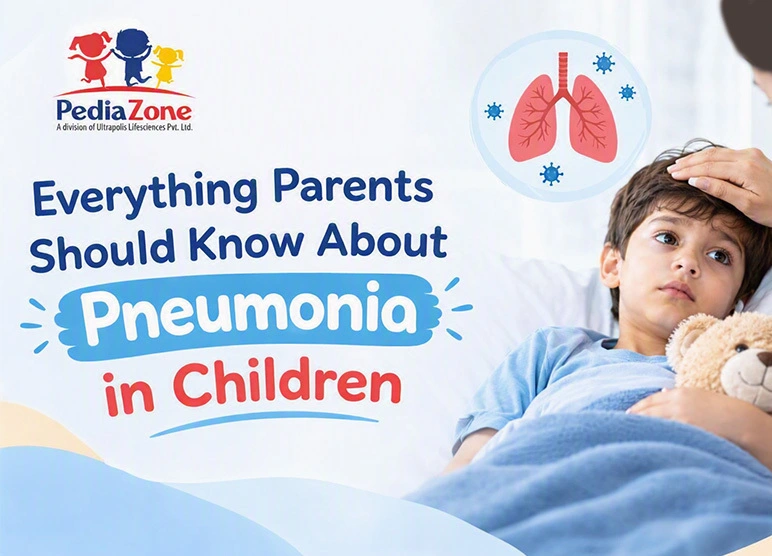
Everything Parents Should Know About Pneumonia in Children
Pneumonia is a common lung infection that can affect children of all ages. Recognising the early signs, seeking timely medical care, and taking preventive measures can help protect your child’s health and support a smooth recovery.
Pneumonia is one of the most common respiratory infections seen in children. It can affect infants, toddlers, and older children, causing symptoms that range from mild illness to severe breathing problems. Although pneumonia can be worrying for parents, many children recover well when the condition is recognised early and treated appropriately.
The lungs play an important role in supplying oxygen to the body. When a child develops pneumonia, the air sacs in the lungs become inflamed and may fill with fluid or pus, making it harder to breathe normally. This can leave children feeling tired, weak, and unwell.
Children younger than five years of age are generally at a higher risk of developing pneumonia because their immune systems are still developing. However, with timely medical care, good nutrition, and preventive measures such as vaccination and proper hygiene, the risk of serious complications can often be reduced.
In this article, we’ll discuss what pneumonia is, its common causes, the symptoms parents should watch for, and how the condition is diagnosed and treated.
What Is Pneumonia?
Pneumonia is an infection that affects one or both lungs. The infection causes the tiny air sacs, called alveoli, to become inflamed. These air sacs may fill with fluid or pus, making it difficult for the lungs to exchange oxygen efficiently.
Pneumonia can be caused by different types of germs, including:
- Bacteria
- Viruses
- Fungi (less commonly)
The type of infection influences the treatment your child may need. Some cases are mild and can be managed at home under medical guidance, while others may require hospital care, especially in very young children or those with severe symptoms.
Causes and Risk Factors
Children can develop pneumonia after catching common respiratory infections such as colds or the flu. In some cases, bacteria may infect the lungs directly, while viral infections can also lead to pneumonia.
Certain factors may increase a child’s risk of developing pneumonia, including:
- Viral respiratory infections
- Bacterial infections
- A weakened immune system
- Poor nutrition
- Exposure to tobacco smoke
- Premature birth or certain chronic medical conditions
Although any child can develop pneumonia, recognising these risk factors can help parents take steps to reduce the chances of infection.
Common Symptoms of Pneumonia
The symptoms of pneumonia can vary depending on the child’s age, overall health, and the cause of the infection. Some children develop symptoms gradually, while others become unwell more quickly.
Common symptoms include:
- Fever
- Persistent cough
- Fast or difficult breathing
- Chest pain while coughing or taking deep breaths
- Tiredness or unusual sleepiness
- Poor appetite or difficulty feeding in younger children
- Vomiting in some cases
If your child develops breathing difficulties, persistent high fever, or symptoms that continue to worsen, it is important to seek medical attention promptly. Early diagnosis and treatment can help reduce the risk of complications and support a quicker recovery.
How Is Pneumonia Diagnosed and Treated?
If pneumonia is suspected, a healthcare professional will begin by asking about your child’s symptoms and medical history. They will also perform a physical examination, including listening to the lungs with a stethoscope to check for abnormal breathing sounds.
In some cases, additional tests such as a chest X-ray, blood tests, or other investigations may be recommended to confirm the diagnosis or determine the cause of the infection.
Treatment depends on the type of pneumonia, the child’s age, and the severity of the illness. It may include:
- Medicines prescribed by a healthcare professional.
- Plenty of fluids to help prevent dehydration.
- Adequate rest to support recovery.
- Fever management as advised by the doctor.
- Hospital care if the child has severe symptoms or difficulty breathing.
Antibiotics are effective only for bacterial pneumonia and should be taken only when prescribed. They are not useful for treating viral pneumonia.
Can Pneumonia Be Prevented?
Although pneumonia cannot always be prevented, several simple measures can help lower a child’s risk of developing the infection.
Parents can help protect their children by:
- Keeping routine vaccinations up to date.
- Encouraging regular hand-washing with soap and water.
- Providing a balanced and nutritious diet.
- Ensuring infants receive appropriate feeding, including breastfeeding where possible.
- Avoiding exposure to tobacco smoke.
- Teaching children to cover their mouth and nose while coughing or sneezing.
These healthy habits can help reduce the spread of infections and support a stronger immune system.
When Should Parents Seek Immediate Medical Care?
Some children with pneumonia require urgent medical attention. Parents should seek immediate medical care if their child:
- Has difficulty breathing or is breathing very rapidly.
- Develops bluish lips or fingertips.
- Is unusually sleepy, difficult to wake, or less responsive than usual.
- Refuses to drink fluids or is unable to feed properly.
- Has a persistent high fever or symptoms that continue to worsen.
Prompt medical care can help prevent complications and ensure the child receives appropriate treatment as early as possible.
Protecting Your Child from Pneumonia
Pneumonia is a common childhood illness, but with early recognition and timely medical care, most children recover well. Understanding the symptoms, following the recommended treatment plan, and practising healthy preventive habits can make a significant difference.
Regular vaccinations, good hygiene, proper nutrition, and seeking medical advice when symptoms appear are important steps in protecting your child’s lung health. By staying informed and acting early, parents can help their children recover safely and reduce the risk of future respiratory infections.