
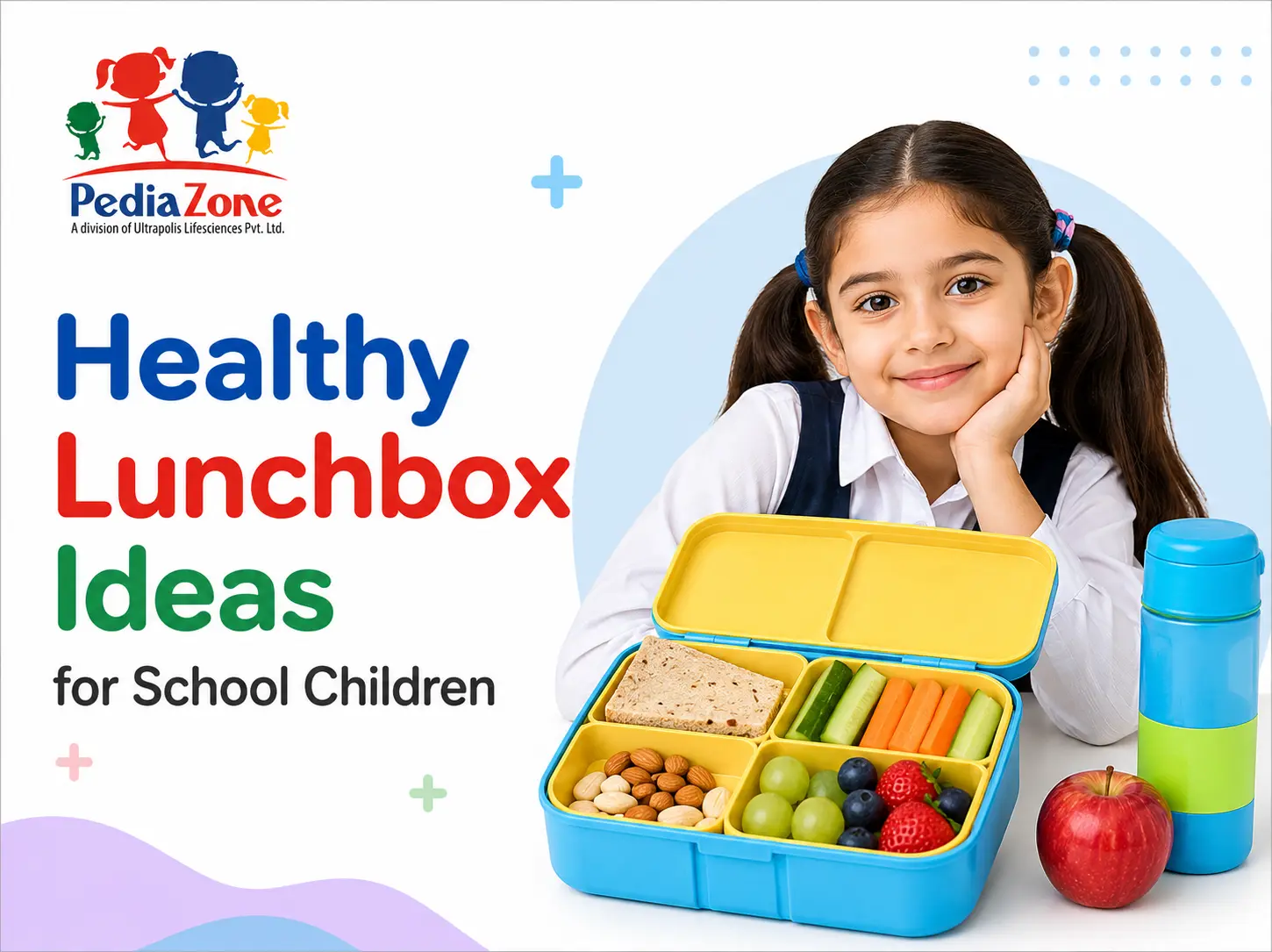
Healthy Lunchbox Ideas for School Children
A nutritious lunch helps children stay active, focused, and energized throughout the school day. Packing a balanced lunchbox with a variety of wholesome foods can support healthy growth, learning, and the development of lifelong healthy eating habits.
For school-going children, lunchtime is more than just a break from classes, it’s an opportunity to refuel their bodies and minds. After a busy morning of learning, playing, and participating in activities, children need nutritious food to maintain their energy and concentration for the rest of the day.
Preparing a healthy lunchbox every morning may seem challenging, especially with busy schedules and picky eating habits. However, a nutritious lunch doesn’t have to be complicated. By choosing fresh, homemade foods and including a variety of nutrients, parents can create meals that are both healthy and enjoyable.
A well-planned lunchbox also helps children develop healthy eating habits from an early age. When children become familiar with balanced meals, they are more likely to make healthier food choices as they grow.
In this guide, we’ll look at simple ways to pack a healthy lunchbox, meal ideas that children enjoy, and practical tips to make lunchtime both nutritious and exciting.
Why Does a Healthy Lunchbox Matter?
Children are constantly growing, learning, and staying active. Their bodies need a steady supply of nutrients to support healthy growth, brain development, and physical activity.
A balanced lunch helps provide lasting energy, supports concentration in the classroom, and reduces the temptation to choose less nutritious snacks. It also gives children the nutrients they need to stay active throughout the school day.
Rather than focusing on perfect meals, aim to provide a variety of nutritious foods over the course of the week.
What Should a Healthy Lunchbox Include?
A healthy lunchbox doesn’t need expensive ingredients or complicated recipes. The goal is to include different food groups so children receive a balance of carbohydrates, protein, healthy fats, vitamins, and minerals.
Whole grains such as whole wheat chapati, brown bread, or rice provide energy for the day. Protein-rich foods like paneer, eggs, lentils, chickpeas, sprouts, or lean chicken support growth and help children stay full for longer.
Adding fresh fruits and vegetables provides important vitamins, minerals, and fiber. A serving of curd, yogurt, or another calcium-rich food can also support healthy bones and teeth. Finally, don’t forget to pack a bottle of water to help your child stay hydrated.
Simple Lunchbox Ideas Children Can Enjoy
Healthy meals don’t have to be boring. Small changes and a little variety can make lunchtime something children look forward to.
A vegetable sandwich made with whole wheat bread, a paneer wrap, vegetable paratha with curd, idli with chutney, vegetable poha, or rice with dal and mixed vegetables are all simple and nutritious options. Homemade pasta prepared with plenty of vegetables or chapati rolls filled with paneer and vegetables can also make tasty lunchbox meals.
Rotating different meals during the week helps prevent boredom while introducing children to a wider variety of healthy foods.
Add Colour to Every Lunchbox
Children are often attracted to colourful meals. Including fruits and vegetables of different colours not only makes the lunchbox more appealing but also provides a variety of nutrients.
Apple slices, grapes, orange segments, cucumber sticks, carrot slices, sweet corn, or cherry tomatoes are easy additions that require very little preparation. Seasonal fruits are another great choice because they are fresh, nutritious, and easily available.
A colourful lunchbox encourages children to explore different flavours and develop healthy eating habits over time.
Don’t Forget Healthy Drinks
Hydration is just as important as healthy food. Water is the best drink for school because it keeps children hydrated without added sugar.
If appropriate, plain milk or buttermilk can also be included depending on your child’s age, school routine, and weather conditions. Sugary soft drinks and sweetened beverages are best kept as occasional treats rather than everyday choices.
Healthy Snacks That Complete the Lunchbox
A nutritious lunchbox doesn’t always need a large meal. Adding a healthy snack can help keep children satisfied until they return home.
Fresh fruits, roasted chana, unsalted nuts (for older children, where appropriate), homemade vegetable muffins, yogurt, boiled corn, sprouts, or homemade energy bites are all good options. These foods provide nutrients without relying on highly processed ingredients.
Choosing homemade snacks more often also helps reduce the intake of excess sugar, salt, and unhealthy fats.
Foods to Limit in School Lunchboxes
Some packaged foods may seem convenient, but they often contain high amounts of sugar, salt, or saturated fat. While occasional treats are perfectly fine, they should not become a regular part of a child’s lunchbox.
Try to limit foods such as packaged chips, sugary biscuits, chocolates, candies, instant noodles, and soft drinks. These foods may provide quick energy, but they are less nutritious than fresh, homemade options and may not keep children full for long.
A lunchbox filled with simple homemade foods is usually a healthier choice.
Tips for Packing Fresh and Safe Meals
A little planning can help keep your child’s lunch fresh until it’s time to eat.
Use a clean, leak-proof lunchbox and pack food after it has cooled slightly to help maintain freshness. If you’re packing curd, fruit, or other perishable foods, consider using an insulated lunch bag when needed.
Preparing some ingredients the night before such as washing vegetables, cutting fruits, or making dough can also save time during busy mornings.
Your Child in Choosing Lunchbox Meals
Children are often more excited to eat meals they have helped choose.
Ask your child which fruits they enjoy, let them pick between two healthy meal options, or involve them in simple tasks like washing vegetables or arranging fruit in the lunchbox. These small activities can make them feel included and encourage a more positive attitude towards healthy eating.
Giving children choices within healthy options also helps them develop confidence and independence around food.
Making Healthy Eating Enjoyable
Healthy eating should never feel like a punishment. Instead of insisting that children finish everything on their plate, encourage them to try a variety of foods at their own pace.
Introducing new foods alongside familiar favourites can make them feel less intimidating. Cutting sandwiches into fun shapes, using colourful fruits and vegetables, or writing a small encouraging note can make lunchtime more enjoyable.
Most importantly, parents play a powerful role by setting a good example. When children regularly see healthy eating at home, they are more likely to develop those habits themselves.
Building Healthy Lunchbox Habits Every Day
A healthy lunchbox is more than just a meal, it is an opportunity to support your child’s growth, learning, and overall well-being. Simple homemade foods, a balance of different food groups, and a little variety can help children enjoy nutritious meals throughout the school week.
Remember, healthy eating habits are built over time, not in a single day. Small, consistent choices can make a lasting difference. By packing balanced lunches and encouraging positive food habits, parents can help children develop a healthy relationship with food that benefits them both now and in the future.