Managing Fever in Children: A Parent’s Guide
Fever is one of the most common reasons parents seek medical advice for their children. While it is often a sign that the body is fighting an infection, knowing how to manage a fever at home and recognizing warning signs can help parents care for their child with confidence.
Seeing a child with a fever can be worrying for any parent. However, fever itself is not a disease. It is usually a sign that the body’s immune system is working to fight an infection. In many cases, children with a fever recover well with proper care at home and guidance from a healthcare professional.
Although most fevers are caused by common viral infections and improve within a few days, some may require medical attention depending on the child’s age, symptoms, and overall condition. Understanding what causes fever, how to care for your child, and when to seek medical advice can help you respond calmly and confidently.
In this article, we’ll discuss what fever is, its common causes, simple home care tips, and the warning signs that every parent should know.
What Is a Fever?
A fever is a temporary rise in body temperature, usually caused by the body’s response to an infection. It is a natural defence mechanism that helps the immune system fight viruses and bacteria more effectively.
While a normal body temperature can vary slightly from one child to another, a temperature of 38°C (100.4°F) or higher is generally considered a fever. It is important to remember that the child’s overall behaviour and symptoms are often more important than the temperature reading alone.
A child with a mild fever who is active, drinking fluids, and responding normally may need only supportive care. On the other hand, a child with a lower temperature but who appears very unwell should be assessed by a healthcare professional.
Common Causes of Fever in Children
Fever can occur for many reasons, and most cases are linked to common childhood illnesses.
Some common causes include:
- Viral infections such as the common cold or influenza
- Bacterial infections
- Ear infections
- Sore throat or tonsillitis
- Urinary tract infections
- Temporary fever following certain vaccinations
The treatment depends on the underlying cause. While viral infections often improve with supportive care, bacterial infections may require specific medical treatment. This is why it is important not to give medicines without proper medical advice.
Caring for a Child with Fever at Home
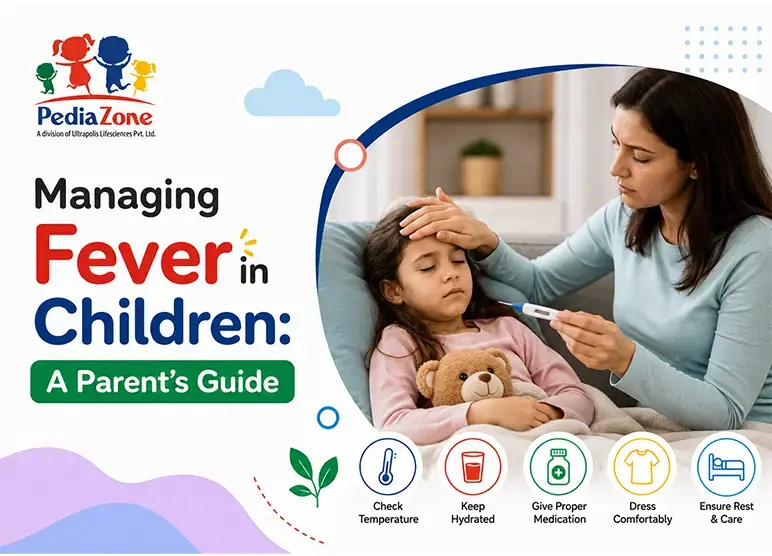
Most children with a mild fever can be cared for safely at home while being closely observed. The main goal is to keep your child comfortable and well hydrated rather than focusing only on lowering the temperature.
Simple home care measures include:
- Encourage your child to drink plenty of water, fluids appropriate for their age.
- Allow plenty of rest to help the body recover.
- Dress your child in light, comfortable clothing.
- Keep the room at a comfortable temperature.
- Monitor your child’s temperature and overall condition regularly.
- Give fever reducing medicines only if advised by a healthcare professional and follow the recommended dose carefully.
If your child continues to play, drinks fluids well, and remains alert, it is often a reassuring sign. Continue to observe them closely and seek medical advice if their condition changes.
Warning Signs Parents Should Never Ignore
Although most fevers are mild, some symptoms require immediate medical attention. Parents should seek medical care without delay if a child develops warning signs along with a fever.
These include:
- Difficulty breathing
- Persistent vomiting
- Seizures or fits
- Severe drowsiness or difficulty waking up
- A stiff neck
- A rash that appears with fever
- Signs of dehydration, such as a dry mouth, crying without tears, or reduced urination
- Fever that lasts longer than expected or keeps returning
Prompt medical evaluation can help identify serious illnesses early and ensure that appropriate treatment is started if needed.
When Should You See a Doctor?
Some situations require medical assessment even if the fever does not seem very high. Infants with a fever, children with persistent or recurrent fever, or those who have underlying medical conditions should always be evaluated by a healthcare professional.
You should also consult a doctor if your child refuses to drink fluids, appears unusually irritable, has severe pain, or if you are concerned about their overall condition. Trust your instincts as a parent and seek medical advice whenever something does not seem right.
Helping Your Child Recover Comfortably
As your child’s fever begins to settle, they may still feel tired or have a reduced appetite for a few days. Recovery takes time, and gentle care can help them regain their strength.
Continue offering fluids regularly and encourage light, nutritious meals as their appetite returns. Allow your child to rest before resuming school, sports, or other activities. If medicines have been prescribed, complete the treatment exactly as advised by your healthcare professional.
Most importantly, continue to monitor your child’s progress and attend any follow up appointments if recommended.
Looking After Your Child During a Fever
Fever is a common part of childhood and is often a sign that the body is fighting an infection. While most fevers improve with supportive care, parents should remain alert for warning signs that may require medical attention.
By keeping your child comfortable, encouraging adequate fluids and rest, and knowing when to seek professional medical care, you can help support a safe recovery and care for your child with greater confidence.