Why Do Children Get Frequent Coughs and Colds?
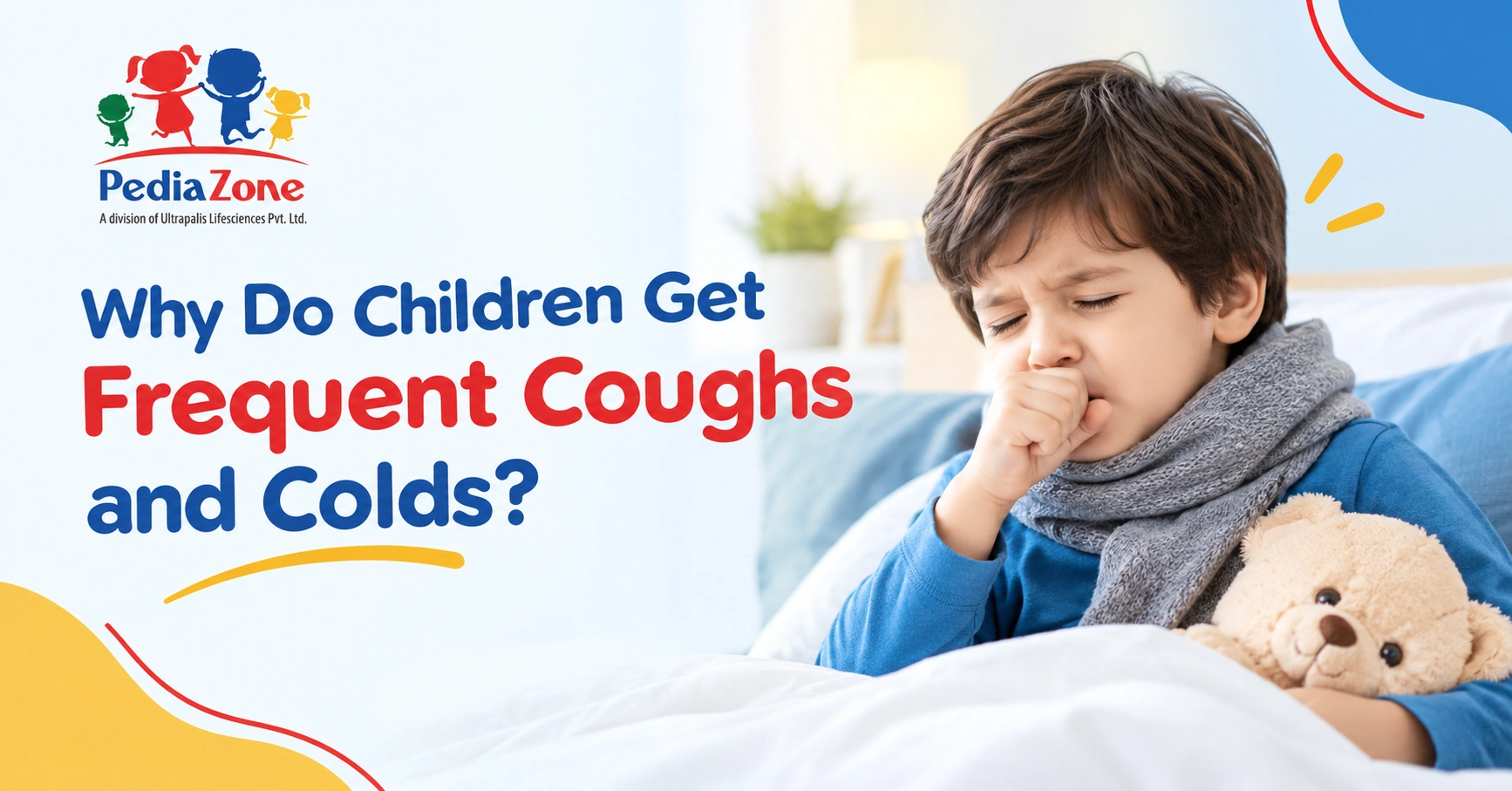
It can sometimes feel like a child has just recovered from one cold when another cough, runny nose, or sneeze appears. Frequent coughs and colds are common during childhood, especially in the early years.
Children are regularly exposed to different viruses at school, daycare, playgrounds, and home. Their immune systems are also still learning to recognise and fight many of these infections.
A common cold may cause a runny or blocked nose, sneezing, coughing, sore throat, mild fever, or tiredness. Most simple colds improve with time and supportive care.
Frequent illness does not always mean that a child has weak immunity. The severity of infections, recovery between illnesses, and the child’s overall health are more important factors to consider.
Why Do Children Catch Colds So Often?
Young children come into contact with many viruses that their bodies have not encountered before. Colds can also spread easily through close contact.
Children may pick up infections when they:
- Play closely with other children.
- Share toys and objects.
- Touch their nose, mouth, or eyes.
- Cough or sneeze near others.
- Spend time in school or daycare.
As children grow and encounter more viruses, their immune systems gradually build experience.
Is It Normal for Children to Have Several Colds?
Yes. Several colds in a year can be normal, especially for young children who attend school or daycare.
Sometimes, one illness may seem to continue into another. A cough can remain for some time after other cold symptoms improve, while a new infection may develop soon afterwards.
The number of illnesses alone does not show whether a child’s immune system is weak.
Why Can a Cough Continue After a Cold?
A cough may continue after a cold because the airways can remain irritated even after the infection begins to settle.
The child may otherwise seem well, with normal energy and appetite, while the cough gradually improves.
However, repeated or long-lasting coughing should not always be considered a leftover cold. Allergies, asthma, or other respiratory conditions can also cause ongoing cough.
A pediatrician can help identify the cause when coughing keeps returning or does not improve as expected.
What Can Parents Do at Home?
Most uncomplicated colds can be managed with supportive care.
Parents can:
- Offer fluids regularly.
- Encourage enough rest and sleep.
- Offer nutritious foods as tolerated.
- Keep the nose comfortable with saline drops or spray when appropriate.
- Keep the child away from cigarette smoke.
- Use medicines only as advised.
Children may eat less during an illness. This can be common, but keeping up fluid intake is especially important.
Can Good Hygiene Reduce Infections?
Good hygiene can help reduce the spread of many respiratory infections.
Children should be encouraged to:
- Wash their hands regularly.
- Cover coughs and sneezes with a tissue or elbow.
- Avoid touching their eyes, nose, and mouth.
- Avoid sharing cups and eating utensils.
- Keep commonly touched objects clean.
These habits may take time to become routine, so gentle reminders can help.
Does Frequent Illness Mean Weak Immunity?
Not necessarily.
Many healthy children experience repeated minor infections, particularly during the early years. Regular exposure to other children can increase the number of infections a child encounters.
A child who grows normally, remains active between illnesses, and recovers well may simply be experiencing common childhood infections.
However, infections that are unusually severe, difficult to treat, or require frequent hospital care may need further assessment.
What Should Parents Avoid During a Cold?
Some common approaches may not be suitable for young children.
Parents should avoid:
- Giving antibiotics without medical advice.
- Giving adult medicines to children.
- Using leftover medicines from previous illnesses.
- Giving more than the recommended medicine dose.
- Using cough or cold medicines without checking age suitability.
- Forcing food when the child has little appetite.
Antibiotics do not treat viral colds. They should only be used when prescribed for a condition that requires them.
What Habits Can Support Children’s Health?
It is not possible to prevent every childhood infection, but healthy routines can support overall well-being.
Encourage children to:
- Eat a balanced and varied diet.
- Get enough sleep for their age.
- Stay physically active.
- Drink enough fluids.
- Practise good hand hygiene.
- Stay up to date with recommended vaccinations.
- Avoid exposure to cigarette smoke.
These habits support healthy growth and help children cope with everyday illnesses.
When Should Parents Seek Medical Advice?
Most common colds improve with time. However, some symptoms need medical attention.
Parents should contact a healthcare professional if a child has:
- Difficulty breathing.
- Persistent or worsening fever.
- Repeated wheezing.
- Signs of dehydration.
- Severe or worsening cough.
- Unusual sleepiness or weakness.
- Symptoms that are not improving as expected.
- Frequent infections that are unusually severe.
If a child is struggling to breathe, becomes difficult to wake, or appears seriously unwell, seek urgent medical care.
Helping Children Through Cold Season
Frequent coughs and colds can be frustrating, but they are often a normal part of childhood. Exposure to different infections helps the developing immune system build experience over time.
Parents can focus on simple measures such as good hygiene, healthy food, enough rest, fluids, and appropriate care during illness.
Most importantly, look at the overall pattern rather than just the number of colds. A child who recovers well and remains healthy between illnesses may simply be experiencing common childhood infections.
With patience, good daily habits, and attention to warning signs, parents can help children get through cough and cold season safely and comfortably.