Understanding Allergies in Children and Their Triggers
Allergic disease in children has increased tremendously in recent years, interfering with the daily comfort, school attendance, and general well-being of our young patients. Childhood allergies, from hay fever to reactions to particular foods or via skin contact, are among the main concerns for parents, keen as ever to protect their child’s safety and welfare.
Understanding what allergies are, why they occur, and which substances can trigger them is the first step towards managing them.
What Are Allergies?
Allergies are caused by an overreaction of a child’s immune system to substances that are usually harmless. These substances, known as allergens, activate the immune system to produce antibodies that release chemicals such as histamine. This could cause the child to sneeze, develop rashes or itching, cough, stomach pain, or have watery eyes. Any child can develop allergies at any age; however, most disorders become apparent in early childhood.
Common Types of Childhood Allergies
-
Food Allergies
Food allergies are common in children. Items such as cow’s milk, eggs, peanuts, tree nuts, soy, wheat, fish, etc account for a majority of trigger items. Symptoms may range from mild (such as rashes or stomach cramps) to severe (such as difficulty breathing). Identification of the allergen and its early avoidance are important.
-
Respiratory Allergies
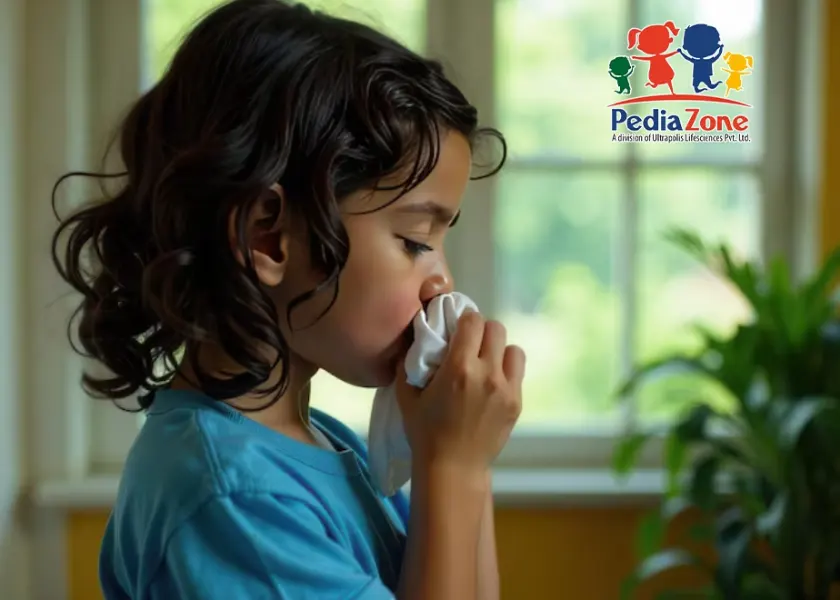
Respiratory allergies involve the lining of a child’s nose, throat, and lungs. Children can be allergic to pollen, dust mites, mould spores, or pet dander. These allergens may trigger sneezing, coughing, wheezing, nasal congestion, or red and itchy eyes. Seasonal allergies tend to ramp up at certain times of year because of a higher pollen load.
-
Skin Allergies
Among children, skin reactions are prevalent. Diseases such as eczema (atopic dermatitis), urticaria (hives), and contact dermatitis can manifest in response to certain foods, soaps, clothing, insect bites, or environmental allergens. Flare-ups are more common in children with sensitive skin or a family history of allergies.
-
Insect Allergies
Other children can be allergic to insect bites or stings, including those from bees, wasp, ants, or mosquitoes. There may be mild swelling and redness, but in other cases, children may have more severe allergic reactions and require immediate treatment.
Major Triggers of Allergies in Children
Knowing what causes your child’s symptoms will make managing your child’s allergies easier. Some of the most common allergy triggers are:
-
Environmental Pollutants
Respiratory allergies due to outdoor pollutants such as vehicle exhaust, smoke, or chemical fumes may be worsened in children. Lack of air quality can exacerbate asthma and make one more sensitive to frequent allergens.
-
Indoor Allergens
Major indoor triggers include dust mites, mold growth, and pet dander. A household with higher humidity or poor ventilation can have increased allergen levels. Dust mites and allergens usually reside in carpets, stuffed toys, and bedding.
-
Seasonal Pollens
There are certain months of the year when the trees, grasses, and weeds emit pollen. During the changing seasons, children who are allergic to pollen have itchy eyes, frequent sneezing, and nasal congestion.
-
Certain Foods
Children are usually allergic to food such as dairy, peanuts, eggs, and soy. There are also instances in which reactions may occur unexpectedly, even though the child has previously taken the food without problems.
-
Insect Bites or Stings
Insects like mosquitoes and bees may cause severe allergies or mild irritation. In some children, these reactions become acute in summer.
Signs and Symptoms Parents Should Watch For
- Constant sneezing or fluid in the nose
- Itchy or watery eyes
- Skin rashes, redness, or hives
- Continuous coughing or wheezing
- Stomach cramps, vomiting, or diarrhea (following consumption of some foods)
- Swelling of lips, eyes, or face
When to Look For Medical Advice
In case of regular, serious, or symptoms of allergy that encroach on the life of your child, an appointment with a pediatrician or an allergist is necessary. Allergy testing helps identify triggers, and parents can take some preventative measures. Early diagnosis will help minimize complications and maximize a child’s comfort.
Information about childhood allergies, symptoms, past observations in young kids, and triggers that affect them helps a parent create a safe window for the child. With adequate guidance, allergen awareness, and prompt medical attention, most childhood allergies can be well-managed. Employing an allergen-aware and supportive lifestyle is the best way to ensure a child grows up in good health, comfort, and overall well-being.