Allergies in Children: Causes and Treatment | Pediazone
Allergies are among the most common health concerns affecting children today. From frequent sneezing to skin rashes and breathing difficulties, allergic reactions can significantly impact a child’s comfort and daily life. Understanding the causes, recognizing the symptoms, and knowing the right treatment options can help parents manage allergies effectively and ensure their child’s well-being.
What Are Allergies?
Allergies occur when a child’s immune system reacts abnormally to substances that are usually harmless. These are called allergens, and they may be dust, pollen, some foods, pet dander, or even medications. The immune system releases chemicals such as histamine in response to these allergens, which cause different symptoms of allergies.
Common Causes of Allergies in Children
Several factors can make children allergic to the environment, including genetic factors. Some of the most frequent causes are:
- Airborne Allergens: Dust, pollen, moulds, and pet hair are the key triggers of respiratory allergies.
- Food Allergies: Milk, eggs, peanuts, soy, and wheat are the common food allergens among children.
- Skin Allergens: Some soaps, detergents, and clothes may irritate the skin or result in allergies.
- Seasonal Changes: Weather transitions often increase exposure to pollen and other allergens.
- Family History: Children whose family history includes allergies are prone to developing allergies.
Symptoms of Allergies in Kids
Allergy symptoms can vary depending on the type and severity of the reaction. The following are some of the signs to be observed:
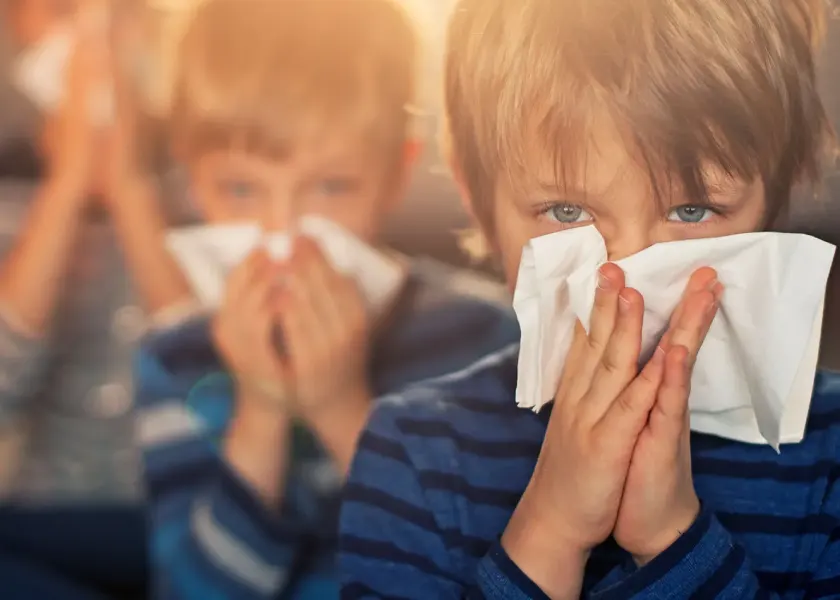
- Frequent sneezing and a runny nose
- Itchy or watery eyes
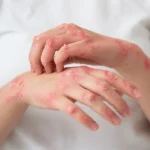
- Skin rashes, redness, or eczema
- Coughing or wheezing
- Difficulty breathing in severe cases
- Stomach pain, vomiting, or diarrhea (in food allergies)
Symptoms must be detected as early as possible to treat them in time and avoid complications.
Types of Allergies in Children
There are various types of allergies in children:
- Respiratory Allergies: These include allergic rhinitis and asthma, often triggered by airborne allergens.
- Food Allergies: Reactions occur after consuming certain foods and may range from mild to severe.
- Skin Allergies: Itch and inflammation are caused by conditions such as eczema and hives.
- Drug Allergies: Some medications can trigger allergic reactions in sensitive children.
Diagnosis of Childhood Allergies
If you think that your child has allergies, you should see a pediatrician. Diagnosis may involve:
- Reviewing medical history and symptoms
- Physical examination
- Allergy tests, such as skin prick tests or blood tests
Effective treatment is achieved by proper diagnosis, which assists in the identification of the specific allergen.
Treatment Options for Allergies in Children
Managing allergies involves a combination of prevention, medication, and lifestyle changes. Part of the typical treatment interventions involves:
- Avoiding Triggers: Minimizing exposure to known allergens is the first step in allergy management.
- Medications: Antihistamines, decongestants, and corticosteroids are usually used to manage symptoms.
- Immunotherapy: Sometimes, allergy tablets or injections can be prescribed to provide long-term relief.
- Emergency Care: An anaphylaxis is considered an emergency and requires emergency medical care and administration of emergency medication such as epinephrine.
Tips for Preventing Allergies
Prevention is also an important aspect of dealing with childhood allergies. The following are some useful tips:
- Keep your home clean and dust-free
- Use hypoallergenic products for your child
- Maintain proper ventilation to reduce indoor allergens
- Introduce new foods gradually to monitor reactions
- Ensure your child follows a balanced diet to support immunity
When to See a Doctor
Although mild allergies can be treated at home, treatment by a doctor is required when:
- Symptoms persist or worsen
- Breathing difficulties occur
- There is swelling of the face or throat
- The child experiences severe reactions after eating certain foods
Allergies in children are common but manageable with the right knowledge and care. Parents can make their children live a healthy, comfortable life by knowing the reasons behind the causes, recognizing symptoms early, and following proper treatment plans. Creating a safe environment and seeking professional medical advice when needed are essential steps in ensuring effective allergy management.