Protecting Children and Pregnant Moms from Monkeypox
Monkeypox (now often referred to as Mpox) is a viral zoonotic disease that has gained global attention due to its spread beyond traditionally affected regions. While most people experience mild to moderate sickness as a result, some vulnerable groups, particularly children and pregnant women, need extra care. The way the illness appears and develops can be influenced by their immune responses, developmental stages, and physiological factors.
What is Monkeypox?
Monkeypox is caused by the monkeypox virus, belonging to the orthopoxvirus family. Close contact with infected people, bodily fluids, respiratory droplets, or contaminated items like clothing or bedding are the main ways it spreads.
Common symptoms include:
- Chills and fever
- Muscle pains and headaches
- Swollen lymph nodes
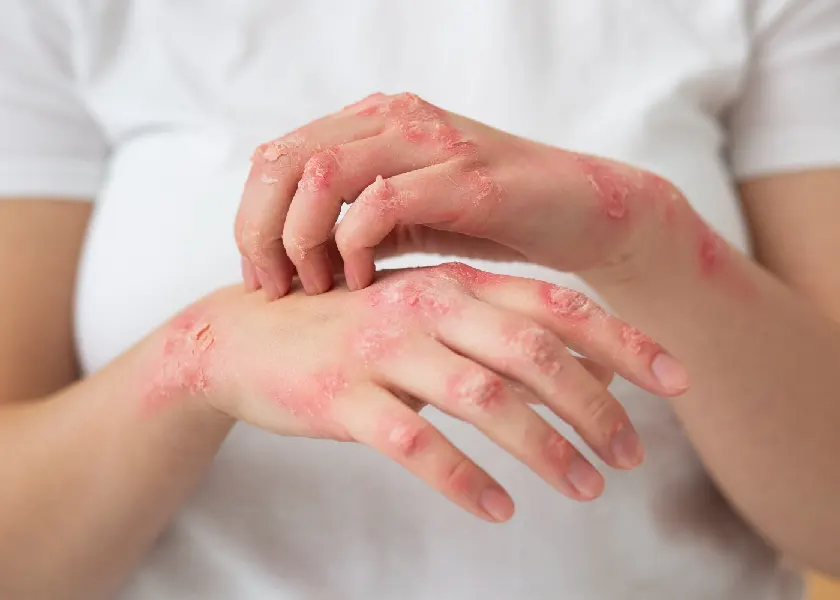
- A distinctive rash that progresses from spots to blisters and scabs
Impact of Monkeypox on Children
Children are not the primary group affected in outbreaks, but when infected, they may face more serious complications.
1. Symptoms in Children
The symptoms in children are generally similar to those in adults, including fever, fatigue, and rash.
Other indicators could be:
- Coughing or difficulty swallowing
- Problems with the eyes if lesions develop close to the eyes
- Exhaustion and agitation
2. Higher Risk of Severe Illness
Young children, especially those under 8 years, may be more vulnerable to severe disease due to their developing immune systems. Dehydration, respiratory problems, and subsequent infections are examples of complications.
3. Challenges in Diagnosis
Early diagnosis of monkeypox might be challenging because it can resemble many common pediatric illnesses. This raises the possibility of treatment delay and further transmission.
4. Transmission in Children
Most infections in children occur through close household contact rather than community spread. Maintaining hygiene and avoiding close contact with infected people are important preventive strategies.
Impact of Monkeypox on Pregnant Women
Pregnancy introduces unique health considerations, making monkeypox a concern for both the mother and the unborn child.
1. Similar Symptoms but Higher Risks
Fever, rash, and exhaustion are common symptoms that pregnant women share with non-pregnant people.
2. Risk of Transmission to the Baby
One of the most serious concerns is vertical transmission, where the virus passes from mother to fetus during pregnancy or childbirth.
This may result in:
- Congenital infection
- Monkeypox in newborns
- Severe sickness in infants
3. Pregnancy Complications
Reports have suggested possible negative consequences, such as:
- Miscarriage (pregnancy loss)
- Stillbirth
- Preterm birth
4. Breastfeeding Considerations
Mothers infected with monkeypox are advised to avoid direct contact with their newborns until recovery. Due to the risk of close contact, breastfeeding may also be postponed to avoid transmission.
Prevention and Safety Measures
The best course of action is prevention for both youngsters and expectant mothers.
Important precautions consist of:
- Avoiding close contact with infected individuals
- Maintaining proper hand hygiene
- Using masks in high-risk situations
- Disinfecting commonly touched surfaces
- Seeking vaccination if recommended (based on risk assessment)
Treatment and Care
There is no specific cure for monkeypox, but supportive care plays a crucial role.
Strategies for management:
- Symptom relief (fever, pain, hydration)
- Monitoring for complications
- Antiviral treatments in severe cases
Monkeypox, while generally manageable, poses significant concerns for children and pregnant women. Children may face a higher risk of severe illness, while pregnant women must deal with the added risk of complications affecting both themselves and their unborn babies.
Reducing the disease’s impact requires awareness, early diagnosis, and preventative interventions. Families and medical professionals can take prompt action to guarantee safety and efficient treatment by being aware of how monkeypox impacts these susceptible populations.
In an evolving global health landscape, staying informed and cautious remains the best defense.